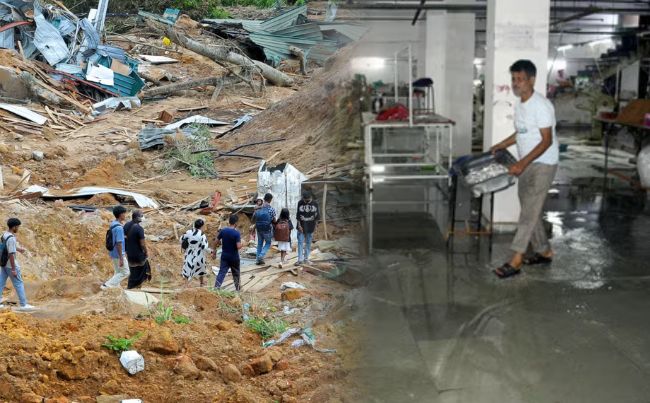
This funding supports 531 industrial units that suffered operational damage or inactivity due to the disaster.
Each approved business received a one-time grant of Rs.200,000 to restart basic operations and stabilise production.
Why does this matter for the economy?
Many affected factories faced immediate cash shortages after the cyclone. Without early support, several risked long-term closure.
This relief provides working capital, not compensation. It allows businesses to reopen, pay workers, and resume supply commitments.
By acting early, the government aims to limit job losses, protect local manufacturing output, and reduce disruption to regional supply chains.
How were businesses selected?
The Ministry of Industry and Entrepreneurship Development identified nearly 10,000 affected industrialists through a national damage-record system.
Officials verified applications at Divisional Secretariat level before releasing funds through District Secretaries.
Districts included in the first phase cover Gampaha, Colombo, Batticaloa, Ampara, Trincomalee, Kegalle, Badulla, Ratnapura, Anuradhapura, and several others.
What should businesses expect next?
Authorities plan additional relief phases as verification continues in other districts.
At the same time, the Ministry is rolling out programmes to strengthen industrial stability and disaster resilience.
These steps aim to reduce future production losses and improve the sector’s ability to operate during extreme weather events.
Key outcomes of Indian EAM S. Jaishankar’s visit to Sri Lanka
Last modified: December 24, 2025